Toyota Production System Example: Mastering Lean Manufacturing & Efficiency
Examining the Toyota Production System reveals a meticulously designed approach to manufacturing that prioritizes efficiency, quality, and respect for people. Far more than a simple set of steps, it represents a holistic philosophy that has reshaped global industry standards. Understanding what the Toyota Production System is an example of provides critical insight into modern operational excellence.
The Definition of a Paradigm Shift in Manufacturing
The Toyota Production System is an example of a revolutionary production methodology that moved beyond the traditional mass-production model. Originating in the post-war era, it challenged established norms by focusing on waste elimination and continuous improvement. This system demonstrated that higher quality and lower costs were not mutually exclusive goals, but could be achieved simultaneously through intelligent process design.
Core Principles Driving Operational Excellence
At its heart, the system is built upon foundational principles that define its category as a lean thinking framework. These principles guide every decision, from the factory floor to executive strategy. It serves as a prime example of a philosophy that empowers employees to identify and solve problems at the source.


Key Pillars of the Methodology
- Just-in-Time (JIT) production to minimize inventory and maximize flow.
- Jidoka (automation with a human touch) to ensure quality is built in.
- Kaizen (continuous improvement) fostering a culture of incremental innovation.
- Respect for people, recognizing that engaged employees are the key to success.
An Industry Benchmark for Problem Solving
What makes the Toyota Production System an example of brilliance is its structured approach to problem-solving. The system encourages looking at issues not as isolated incidents, but as opportunities to improve the entire process. Techniques like the "5 Whys" root cause analysis originated within this environment, proving its commitment to lasting solutions rather than temporary fixes.
Global Influence Extending Beyond Automotive
Initially developed for automobile manufacturing, the core concepts of this system have transcended their original industry. Today, it stands as a powerful example applicable to healthcare, software development, construction, and services. Its adaptability demonstrates that the underlying principles of flow and value creation are universal business assets.


Distinguishing Itself from Traditional Management Models
Unlike traditional management models that often rely on command and control, this system operates on trust and data. It is an example of a management system where leaders focus on removing obstacles for workers rather than directing every action. This shift in leadership style is crucial for sustaining the cultural changes required for true operational excellence.
Measuring Success Through Value and Flow
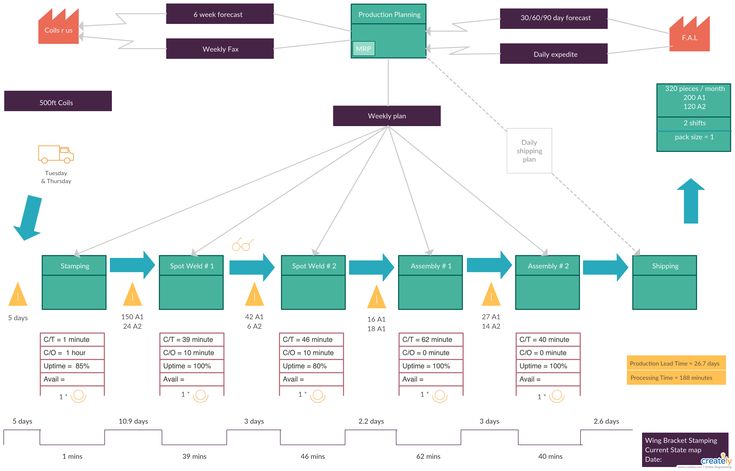
The success of this system is measured not by quarterly profits alone, but by its ability to create value for the customer with fewer resources. Metrics such as cycle time, lead time, and employee suggestion rates are carefully monitored. This focus on value stream mapping provides a clear example of how optimizing the entire process yields superior results compared to optimizing individual departments.




Related Articles
Toyota Production System Explained: Master Lean Manufacturing Efficiency
At its core, the Toyota Production System (TPS) represents a radical shift in how organizations approach manufacturing. More than a set of tools, it is a...

The Best Book on Toyota Production System: Master Lean Manufacturing Efficiency
For professionals and enthusiasts seeking to understand the foundational principles of operational excellence, the journey often begins with the Toyota...

What Is a Toyota Production System? Master Lean Manufacturing & Efficiency
At its core, the Toyota Production System (TPS) represents a revolutionary approach to manufacturing that prioritizes efficiency, quality, and respect for...
The Toyota Production System: Example of What? Lean Manufacturing Explained
The Toyota Production System is an example of a meticulously engineered socio-technical framework designed to achieve operational excellence through the...
Toyota Production System Father: The Genius Behind Lean Manufacturing
Examining the operational excellence of the global automotive industry inevitably leads to the foundational principles established by the Toyota Production...
Toyota Production System & Deming: The Ultimate Guide to Lean Manufacturing Success
Examining the Toyota Production System Deming connection reveals the foundational statistical principles that enabled a revolutionary approach to...