Ultimate Zender BMW E36 Widebody Kit Guide
The zender bmw e36 represents a fascinating intersection of aftermarket innovation and classic 1990s automotive design. For enthusiasts of the E36 platform, this body kit is more than just a collection of plastic panels; it is a statement of intent, transforming the understated grace of the original model into a more aggressive and commanding presence. This comprehensive guide explores the origins, design philosophy, installation considerations, and the enduring appeal of this iconic tuning component.
The Origins and Design Philosophy of the Zender Kit
Developed by the renowned German tuning house Zender in the early 1990s, the body kit for the E36 was designed to address the car’s inherent conservatism. The original 3 Series, while praised for its handling and engineering, was often described as visually reserved. The zender bmw e36 kit changed that narrative by introducing a low front bumper with integrated fog lights, a pronounced rear diffuser, and flared wheel arches. This design language was intended to create a wider, lower, and more dynamic stance, preparing the visual canvas for performance upgrades.
Key Components and Material Quality
Typically, a complete zender bmw e36 kit includes front and rear bumpers, side skirts, and a rear spoiler. What set Zender apart from cheaper imitators was the use of high-quality materials. Unlike generic aftermarket kits, Zender components were manufactured from durable, reinforced ABS plastic. This choice ensured a perfect fitment that did not compromise the structural integrity of the panels. The slight weight increase was a fair trade-off for the significant gains in rigidity and the premium finish that resisted UV degradation and rock chips far better than standard alternatives.


The Visual Transformation and Aesthetic Impact
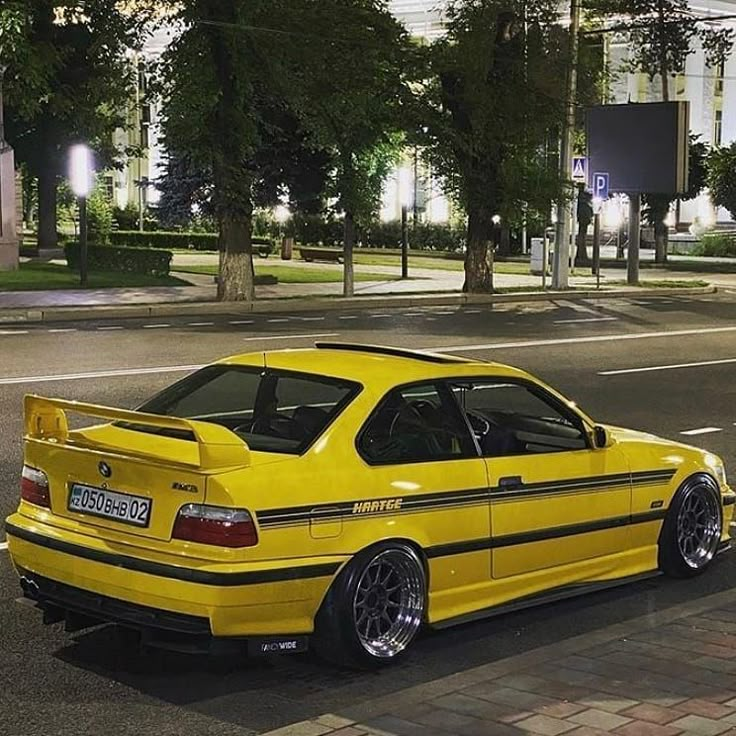
Installing a zender bmw e36 kit fundamentally alters the car's personality. The aggressive front bumper lowers the perceived front axle, making the car look planted and ready to corner. The side skirts create a seamless transition between the wheel arch and the chassis, giving the impression of a wider track. When paired with a set of multi-spoke alloy wheels, the visual result is a car that appears both wider and more sophisticated, bridging the gap between a family sedan and a sporty tourer.
Compatibility and Application
While the zender bmw e36 kit was designed specifically for the E36 chassis, it is crucial to verify the exact model year compatibility. These kits were primarily developed for the 1993 to 1999 models, fitting both the standard sedan and the sporty 328i variants. The advantage of this kit lies in its bolt-on nature; it requires minimal modification to the existing bodywork. However, successful installation depends on ensuring that the mounting points align correctly to avoid stress on the chassis mounts.


Installation Considerations and the DIY Challenge
Applying a zender bmw e36 is a project that sits comfortably between an enthusiast and a professional job. The process involves removing the necessary panels, cleaning the mounting sites, and using high-quality adhesive primers and double-sided tape for a secure bond. While the bolts align relatively easily, the real challenge lies in achieving seamless gaps between the new components and the existing body. Patience is vital; rushing the installation can lead to paint scratches or misalignment, which detracts from the otherwise sharp aesthetic.
Maintenance and Long-Term Value
Maintaining a car with a zender bmw e36 kit requires the same diligence as caring for any modified vehicle. Cleaning should be done with a gentle touch, avoiding harsh brushes that might scratch the aggressive lines of the bumpers. Over the long term, these kits have proven to be excellent value. Because they were produced in limited quantities compared to mass-market alternatives, a genuine Zender kit today is a sought-after item. It can significantly enhance the curb appeal and originality score of a well-preserved E36, making it a desirable option for collectors.
The Enduring Legacy in the Tuning Community
Despite the emergence of modern, hyper-polished aftermarket kits, the zender bmw e36 retains a special status. It represents a golden era of tuning where the goal was to enhance the driver's connection to the road without resorting to excessive gimmicks. The kit’s timeless design ensures that a BMW E36 equipped with Zender panels does not look dated. Instead, it looks purposeful and classic, a testament to the enduring appeal of thoughtful European automotive design from the 1990s.


Related Articles

The Ultimate Widebody BMW M1 Guide: Specs, Costs & Iconic Road Presence
The BMW M1 stands as a monumental achievement in the history of performance motoring, a car born from the intense rivalry of Group 5 racing and the exquisite...

BMW E30 Wide Body: Ultimate Widebody Transformation Guide
The BMW E30 wide body aesthetic has become an iconic statement in the world of automotive modification, transforming the classic 3-Series silhouette into a...

Ultimate BMW X5 G05 Body Kit: Sleek Widebody Styling & Fitment Guide
The BMW X5 G05 represents a significant evolution for BMW's flagship luxury SUV, blending commanding presence with refined performance and cutting-edge...

NFS Unbound BMW M1 Bodykit: Ultimate Widebody Kit Guide
The pursuit of the perfect automotive upgrade often leads enthusiasts down a rabbit hole of specific component searches, and the quest for the elusive "nfs...

BMW M4 Widebody: Ultimate Aggressive Aero Upgrade Guide
The BMW M4 widebody represents the evolution of the standard M4 coupe into a more aggressive, track-focused machine. This specific variant is distinguished by...

Ultimate BMW Zender E30 Tuning Guide: Boost Power & Style
The BMW Zender E30 represents a fascinating, albeit niche, chapter in the evolution of the iconic 3-Series. This specific model designation is not a factory...