2022 Hyundai Dashboard Symbols: Complete Guide & Meanings
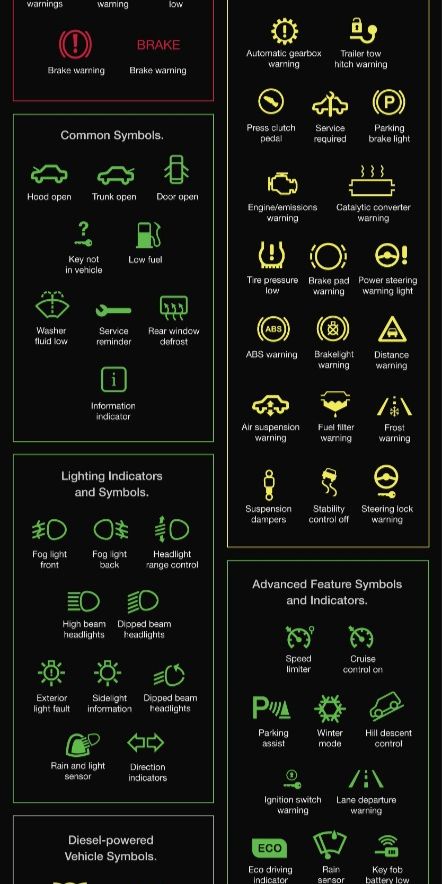
Understanding the language of your 2022 Hyundai is essential for safe and confident driving. The dashboard serves as the central communication hub between you and your vehicle, using a sophisticated system of symbols to relay critical information about its operational status. While some icons are universal, such as the seatbelt reminder or the low fuel pump, Hyundai incorporates specific symbols and stylized text to provide precise feedback on everything from tire pressure to battery health. This guide deciphers the 2022 Hyundai dashboard symbols and meanings, empowering you to respond appropriately to any alert.
Mastering the Primary Dashboard Indicators
At the heart of your 2022 Hyundai's interface are the primary indicators that demand immediate visual attention. These symbols are designed for instant recognition, often utilizing universally understood colors and shapes. The most critical of these relate to temperature and oil pressure, as ignoring these can result in severe engine damage. You will find these indicators within the gauge cluster, positioned directly in front of the steering wheel for quick reference.
Temperature and Oil Pressure Warnings
The thermometer symbol, when illuminated, signifies that your engine is overheating. This usually indicates a problem with the coolant system, such as a low level or a failing water pump. Conversely, the oil can symbol is a direct alert for low oil pressure. Driving with this light on can destroy the engine within minutes. If either of these symbols appears red and stays lit, you must pull over safely, turn off the engine, and seek professional assistance immediately to prevent catastrophic failure.


Monitoring Vehicle Systems and Dynamics
Beyond the engine, modern 2022 Hyundai models utilize a variety of symbols to monitor the intricate systems that ensure a stable and comfortable ride. These icons often appear in yellow or orange, indicating a system that requires attention but is not yet an emergency. Advanced driver-assistance systems (ADAS) and stability controls are represented by specific icons that might look abstract at first glance. Familiarizing yourself with these symbols allows you to distinguish between a minor system check and a critical failure.
Tire Pressure Alert and ABS
The exclamation point inside a tire icon is a common sight on Hyundai dashboards. This Tire Pressure Monitoring System (TPMS) light indicates that one or more tires are significantly underinflated, which can lead to poor fuel economy, uneven wear, or a blowout. The addition of the letters "ABS" within a circle warns you that the Anti-lock Braking System is disabled. While your standard brakes will still function, you will lose the safety advantage that prevents wheels from locking during hard stops, requiring cautious driving to a service center.


Navigating Warning and Indicator Symbols
Hyundai vehicles utilize a specific set of warning and indicator lights that are distinct to the brand's design language. While general automotive symbols exist, the 2022 models often feature stylized versions that convey specific information about the electronic systems. These symbols are your vehicle's way of telling you that a sensor has been triggered or a routine maintenance schedule is approaching. Ignoring these warnings can lead to decreased performance or unexpected breakdowns.
Electronic Stability and Gear Engagement
A vehicle swerving across a dotted line indicates the Electronic Stability Control (ESC) system is actively working to keep you on the road. If this symbol flashes, it means the system has detected a loss of traction. The green "P" symbol confirms that the transmission is in Park, a crucial visual confirmation before exiting the vehicle. Additionally, a circle with an arrow rotating clockwise represents the turn signal, while a gear icon with a descending arrow indicates that the transmission is in Reverse.
Maintenance and Intelligent Indicators
Keeping your 2022 Hyundai in optimal condition is simplified by its intelligent maintenance reminder system. Unlike older vehicles that rely on strict mileage intervals, modern Hyundai models use an algorithm that considers your driving habits to determine when service is due. This proactive approach helps maintain warranty compliance and ensures longevity. The appearance of a key symbol or a wrench icon is your cue to schedule an appointment with your local dealer.


Service Reminder and Battery Alerts
When the maintenance light appears, usually depicted as a key icon turning in a predetermined pattern or a simple wrench symbol, it is time for an oil change or inspection. The battery alert, shaped like a battery with a charging symbol, indicates that the charging system is not functioning correctly. This could be as simple as a loose cable or as complex as a failing alternator. Addressing this promptly is vital, as a dead battery will leave you stranded.


Related Articles

2025 Hyundai Elantra Dashboard Symbols: Complete Guide & Meanings
Driving a 2025 Hyundai Elantra is an exercise in modern automotive efficiency, blending a sleek design with a tech-forward cabin. Behind the steering wheel...
2024 Hyundai Dashboard Symbols & Meanings: Complete Guide
Understanding the language of your 2024 Hyundai is crucial for safe and confident driving. The dashboard serves as the vehicle's communication hub, utilizing a...

2022 Toyota Highlander Dashboard Symbols: Complete Guide & Meanings
Understanding the language of your 2022 Toyota Highlander’s dashboard is crucial for maintaining both safety and vehicle longevity. The dashboard serves as the...

Toyota Aqua Dashboard Symbols: Complete Guide to Warning Lights & Meanings
Understanding the dashboard symbols of your Toyota Aqua is more than just deciphering lights; it is about maintaining the safety, efficiency, and longevity of...

2009 BMW 528i Dashboard Symbols: Complete Guide & Meanings
Understanding the specific dashboard symbols for your 2009 BMW 528i is fundamental to maintaining the vehicle's renowned performance and safety. The...
Hyundai Ioniq 5 Dashboard Symbols: Meanings & Easy Guide
Understanding the Hyundai Ioniq 5 dashboard symbols is essential for safe and efficient operation of this advanced electric vehicle. The digital cluster and...