The Biggest Hyundai Model: Ultimate Guide to the Largest Hyundai Vehicles
When evaluating the landscape of modern automotive engineering, Hyundai has emerged as a compelling force, blending reliability with innovation. While the brand is often associated with efficient sedans and compact commuters, its portfolio stretches far beyond these foundational models. To truly understand the scale and ambition of the manufacturer, one must look to its largest offerings. Identifying the biggest Hyundai model requires more than a simple glance at dimensions; it involves examining the hierarchy of presence, from towering SUVs to specialized commercial vehicles.
The Contenders: Defining "Biggest"
The term "biggest" can be interpreted in two primary ways within the Hyundai lineup: physical footprint and price point. The largest vehicle by sheer physical dimensions—length, width, height, and weight—is generally found in the utility and commercial segments. Conversely, the most expensive model represents the peak of the brand’s engineering and luxury stratification. For the purpose of exploring the upper limits of the brand’s scale, the largest vehicle by physical metrics provides the most definitive answer regarding spatial dominance on the road.
The Gargantuan SUV: Palisade as the Volume King
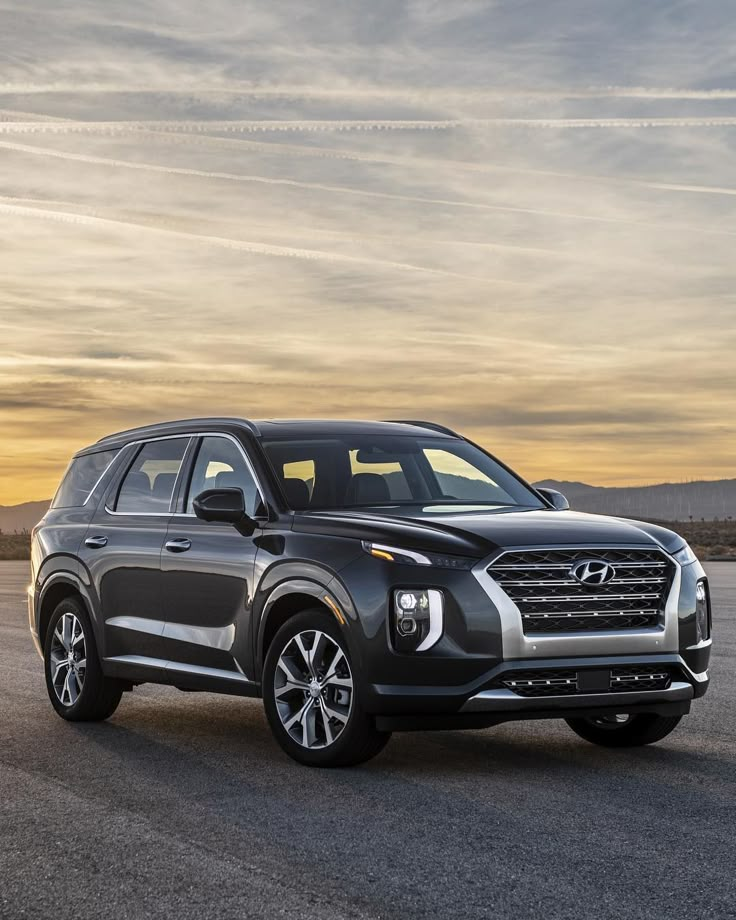
In the current model year lineup, the Hyundai Palisade stands as the undisputed giant among production SUVs. Designed specifically for the North American market, the Palisade is a three-row behemoth that prioritizes space and capability. With its imposing stance and substantial curb weight, it dwarfs the Tucson and Santa Fe, carving a niche in the near-EV category for families who refuse to compromise on interior real estate. Its dimensions place it firmly in the full-size category, making it the standard-bearer for physical size.


Technical Specifications of the Giant
To appreciate the scale of the Palisade, one must examine the raw data. The following table outlines the key specifications that define its massive presence:
| Specification | Measurement |
|---|---|
| Length | 5,135 mm (202.2 in) |
| Width | 1,999 mm (78.7 in) |
| Height | 1,765 mm (69.5 in) |
| Curb Weight | Approx. 2,068 kg (4,560 lbs) |
These figures underscore the vehicle's role as a transport platform, rather than a nimble city driver. The Palisade’s length exceeds that of many contemporary mid-size sedans, and its height ensures dominance in traffic visibility.


Command and Luxury: The EQS Sedan
While the Palisade dominates the landscape physically, the title of the most expensive Hyundai belongs to the electrified sedan realm: the Hyundai EQS. As the flagship of the EV division, the EQS represents the zenith of the brand’s technological aspirations and luxury execution. Positioned as a direct competitor to the Mercedes-Benz S-Class and BMW 7-Series, its price tag reflects the premium materials, advanced autonomous driving hardware, and cutting-edge infotainment systems housed within its elongated frame.
Beyond the Surface: Engineering the Big
The engineering challenges associated with creating the biggest Hyundai models are significant. Supporting the weight of the Palisade requires a robust foundation, utilizing high-strength steel and sophisticated suspension tuning to ensure the cabin remains quiet and composed rather than wallowing. For the EQS, the challenge lies in thermal management and battery packaging; fitting massive battery packs into a aerodynamic sedan body while maintaining performance and range is a delicate balancing act. In both cases, the "biggest" designation is not merely an aesthetic choice but a testament to the brand’s manufacturing prowess.
Ultimately, the title of the biggest Hyundai model is held by the Palisade for its volumetric superiority, a status it maintains through aggressive styling and practical utility. However, the EQS serves as a critical counterpoint, proving that bigness in the automotive world is not solely measured in cubic feet, but also in ambition and technological advancement. Whether measuring physical presence or financial investment, Hyundai has proven it is willing to go big to compete on the global stage.



Related Articles

Biggest Hyundai Van: Ultimate Guide to the Largest Models & Cargo Capacity
The quest for the biggest Hyundai van leads drivers straight to the Hyundai Xcient, a name that resonates with power, capacity, and professional-grade...

The Biggest Toyota Model: Ultimate Guide to the Largest Trucks & SUVs
When discussing the biggest Toyota model, the conversation almost always centers on the Land Cruiser. This iconic vehicle represents the pinnacle of the...

Hyundai Biggest Vehicle: The Ultimate Guide to the Largest Models and SUVs
When evaluating the Hyundai portfolio, the quest to identify the biggest vehicle in their lineup reveals a story of market ambition and evolving consumer...

The Biggest BMW X Model: Ultimate Guide to the Largest X-Series SUVs
When enthusiasts and prospective buyers discuss the pinnacle of BMW's lineup, the conversation inevitably turns to the question of size and presence. The...

Toyota Biggest SUV 2024: The Ultimate Guide to the Largest Models
As the automotive landscape shifts toward electrification and enhanced capability, the conversation surrounding the Toyota biggest SUV 2024 has never been more...

2024 Hyundai Santa Fe Which Model: Ultimate Comparison Guide
Choosing the right Hyundai Santa Fe can feel overwhelming with several compelling options lining up the showroom floor. This versatile three-row SUV has been a...