Unlock Peak BMW Performance: The Ultimate Digital Tuner Guide
For the modern BMW owner, the journey is no longer defined solely by the turn of a key or the press of a start button. It is increasingly dictated by the interaction between driver and software, a digital dialogue that takes place within the iDrive controller and the cluster display. This evolution has given rise to a new frontier in performance optimization and personalization: the BMW digital tuner. Moving far beyond the simple boost gauges of the past, these digital interfaces allow enthusiasts to unlock and recalibrate the very electronic parameters that govern engine response, transmission behavior, and chassis dynamics.
Understanding the Digital Interface
The term "digital tuner" can be misleading, as it implies a physical module in many cases. In the context of contemporary BMWs, it often refers to the software layer and the hardware interface used to access it. These tools provide a window into the Engine Control Unit (ECU) and other control modules, translating complex data streams into readable formats. While traditional tuning involved physically changing hardware like air filters or exhaust systems, the digital approach modifies the maps that dictate fuel delivery, ignition timing, and turbo pressure. This shift has made performance tuning more accessible, allowing for precise adjustments that were once the realm of specialist workshops.
Performance Gains and Driving Dynamics
The primary allure of a digital tune is the potential for enhanced performance. By adjusting parameters such as boost pressure on turbocharged engines or optimizing the combustion cycle, drivers can coax out additional horsepower and torque. However, the benefits extend beyond raw numbers. A well-executed digital map can improve throttle response, making the accelerator pedal feel more immediate and connected. Gear shifts in automatic transmissions can become sharper and more decisive, while the overall power delivery can feel more linear and engaging. This transformation turns a competent sports sedan into a more visceral and exciting drive, all through software rather than mechanical intervention.


Exploring the Options: Hardware and Software
The market for BMW digital tuning is diverse, ranging from simple plug-and-play modules to complex custom solutions. Understanding the available options is crucial for any enthusiast.
Plug-and-Play Modules
These devices are often connected to the OBD-II port and intercept sensor data to send a modified signal to the ECU. They are popular for their ease of installation and reversible nature, offering predefined performance stages that can be engaged with a button press.


Custom Software Tuning
For those seeking maximum potential, bespoke tuning is the gold standard. Using tools like BMW E-Sys or INPA, a specialist reads the original ECU map, modifies it according to the client’s goals and hardware setup (such as a larger turbo or high-flow intake), and then writes the new map back to the car. This method delivers the most optimized results but requires significant expertise.
td>Depends on method| Type | Installation | Performance Gain | Reversibility |
|---|---|---|---|
| Plug-and-Play Module | Easy, via OBD-II port | Moderate, 10-30% | High, usually removable |
| Custom Tuning | Requires specialist software | High, 20-50%+ |
Considerations and Potential Drawbacks
While the benefits are significant, there are important factors to consider before pursuing a digital tune. Warranty implications are a primary concern; flashing a modified map to the ECU will almost certainly void the manufacturer's powertrain warranty. Furthermore, increasing power output places additional stress on internal components, such as the pistons, rods, and clutch. A tune that pushes an engine beyond its mechanical limits acquired through standard configuration can lead to premature wear or, in extreme cases, catastrophic failure. Heat management is also a critical factor, as more aggressive mapping can raise cylinder temperatures.
The Legal and Ethical Landscape
Legality varies significantly by jurisdiction. In many regions, modifying emissions-related components is strictly regulated, and a digital tune that affects the air-fuel ratio or exhaust gas recirculation may cause a vehicle to fail its annual inspection. Driving with an active tune on public roads can also lead to fines if the vehicle is found to be non-compliant with local noise or emissions standards. Ethically, it is essential to be transparent with insurers about any modifications. Failure to disclose a digital tune could result in a denied claim if an incident is related to the modified performance parameters.


Is a Digital Tune Right for You?
Deciding whether to explore BMW digital tuning comes down to your driving habits and expectations. If you navigate congested city streets and prioritize reliability and efficiency, a digital tune might not align with your needs. However, if you enjoy spirited back-road driving and feel that the factory settings are holding back your BMW’s potential, a digital map could be the perfect solution. It offers a compelling middle ground, providing significant performance gains without the downtime and high costs associated with traditional mechanical modifications. For the tech-savvy driver, it represents the ultimate customization tool, allowing you to tailor your BMW’s personality with the precision of a surgeon’s scalpel.


Related Articles

Unlock Peak BMW Performance: The Ultimate ECU Tuner Guide
The landscape of modern BMW performance is defined not just by powerful engines and precise handling, but by the sophisticated software that orchestrates every...

Unlock Peak BMW Performance: The Ultimate Flash Tuner Guide
For the dedicated BMW enthusiast, the quest for the perfect driving experience is a perpetual one. It involves a blend of art, science, and a deep...
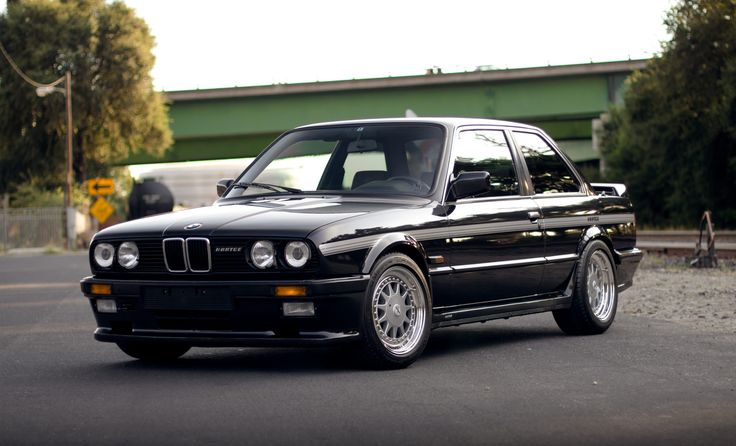
Unlock Peak Performance: The Ultimate Hartge BMW Tuner Guide
For enthusiasts seeking to unlock the full potential of their BMW, the name Hartge resonates with authority and performance pedigree. As a highly respected...

Unlock Peak Performance: The Ultimate Custom BMW Tuner Guide
For the discerning BMW owner, the journey does not end at the showroom floor. It begins there. The stock configuration, while a marvel of German engineering...

Unlock Peak Performance: The Ultimate BMW Tuner Guide for G Power Enhancement
For BMW enthusiasts seeking to extract additional performance, refinement, and presence from their machine, the name G Power resonates deeply. As an official...

Unlock Peak Performance: The Ultimate BMW G80 Tuner Guide
For the owner of a BMW G80 M3 or G80 M4, the journey doesn't end at the factory warranty sheet. These German performance icons arrive from the dealership with...