Ultimate BMW vs Mercedes: The 2024 Luxury Battle
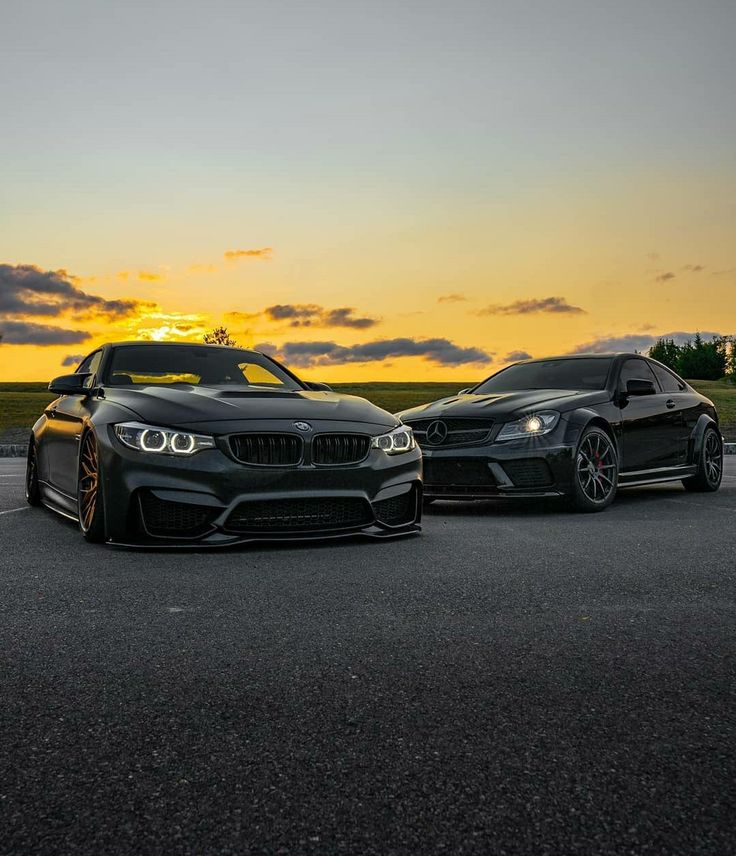
When enthusiasts discuss the pinnacle of German engineering, the conversation inevitably circles back to the fierce rivalry and technological prowess of BMW and Mercedes-Benz. For decades, these two automotive titans have defined luxury, performance, and innovation, pushing each other to new heights. Understanding the distinction and overlap between BMW and Mercedes is essential for any driver who values precision, comfort, and cutting-edge technology in their vehicle.
The Heritage of German Excellence
The story of BMW and Mercedes is a tale of two philosophies born from the same rich soil of German engineering. Mercedes-Benz traces its lineage back to the invention of the automobile itself, with a heritage steeped in safety, stability, and a smooth, composed ride. The brand’s motto, "The best or nothing," reflects a commitment to uncompromising luxury and reliability. BMW, on the other hand, emerged from an aircraft engine manufacturer and carries its "Ultimate Driving Machine" ethos in its DNA. While both brands offer a spectrum of vehicles, the core identity of a BMW is often linked to dynamic handling and a more direct connection between the driver and the road.
Design Language: Form Follows Function
One of the first visual cues that distinguishes a BMW from a Mercedes is their design language. BMW vehicles typically feature a more aggressive and sporty aesthetic, characterized by a kidney grille and a driving position situated higher in the cockpit. This interior layout is designed to place the driver at the center of the universe, with controls angled towards the front for optimal ergonomics during spirited driving. Mercedes-Benz design, particularly in its flagship S-Class and luxury SUVs, leans towards a more serene and flowing aesthetic. The focus here is on a spacious, almost floating cabin experience, creating an environment of tranquility rather than a cockpit for command.


Performance and Driving Dynamics
The mechanical divergence between the two brands is perhaps most felt behind the wheel. BMW’s engineering philosophy prioritizes weight distribution and balance, often placing the engine further back to achieve near-50/50 weight ratios. This results in exceptional cornering grip and a playful yet stable chassis, especially evident in their legendary M Series sedans and coupes. Mercedes-Benz matches BMW pound-for-pound in terms of raw power, but调校often leans towards a more serene and effortless experience. Their adaptive air suspension and advanced torque vectoring provide a ride that is exceptionally smooth and stable, gliding over rough pavement with an ease that highlights their focus on luxury comfort.
Technology and Innovation Battle
Both brands are at the forefront of automotive technology, but they implement it differently. BMW iDrive is renowned for its logical layout and driver-focused interface, allowing for intuitive control of navigation, audio, and vehicle settings without taking your eyes off the road. The integration of augmented reality navigation and digital clusters is seamless. Mercedes-Benz answers with the MBUX system, a stunning dual-screen cockpit that feels like a portal to the future. Its voice-recognition AI, "Hey Mercedes," is one of the most advanced in the industry, allowing for natural language commands to control almost any function in the vehicle.


The Market Segment Overlap
While the brands have distinct identities, the lines have blurred in certain segments, creating a unique overlap that benefits consumers. In the luxury SUV market, the BMW X5 and X7 go head-to-head with the Mercedes GLE and GLS. Here, the X5 offers a sportier drive, while the GLE emphasizes opulent comfort. Similarly, in the executive sedan space, the BMW 5 Series is a dynamic performer, whereas the Mercedes E-Class is the benchmark for plush, sophisticated travel. This competition forces both manufacturers to continuously innovate, ensuring that buyers receive the absolute best product regardless of their choice.
Making the Choice: BMW or Mercedes?
Ultimately, the decision between a BMW and a Mercedes comes down to personal driving preferences and lifestyle needs. Choose BMW if you prioritize handling, agility, and a connection to the road. It is the ideal choice for the driver who wants the car to feel like an extension of their own body, responding intuitively to every input. Opt for Mercedes-Benz if supreme comfort, silent luxury, and the latest technological amenities are your top priorities. It is a sanctuary on wheels, designed to deliver passengers in complete serenity, regardless of the journey’s length. Both are excellent choices; you are simply choosing a different philosophy of luxury and performance.
Specifications at a Glance
| Feature | BMW Philosophy | Mercedes-Benz Philosophy |
|---|---|---|
| Core Identity | Ultimate Driving Machine | Luxury & Innovation |
| Ride Comfort | Firm, sporty, responsive | Plush, smooth, isolating |
| Handling | Precise, agile, balanced | Stable, effortless, composed |
| Interior Vibe | Driver-centric cockpit | Spacious, serene lounge |
| Technology Focus | Driver-assist & connectivity | AI & luxury automation |




Related Articles

Audi Q7 vs BMW X5 vs Mercedes GLE: Ultimate Luxury SUV Battle 2024
Choosing between the Audi Q7, BMW X5, and Mercedes-Benz GLE means deciding which philosophy of luxury and performance aligns with your lifestyle. These three...

Mercedes Benz vs BMW Commercial Showdown: The Ultimate Luxury Battle
The term "Mercedes-Benz BMW commercial" immediately evokes a specific world of luxury automotive marketing. These two German titans have long defined the...

BMW vs Benz: The Ultimate Luxury Car Battle 2024
When evaluating German automotive excellence, the conversation almost always converges on two titans: BMW and Mercedes-Benz. For decades, these manufacturers...

BMW X5 vs Mercedes GLE 2024: Ultimate Luxury SUV Showdown
Choosing between the BMW X5 and the Mercedes-Benz GLE feels less like picking a car and more like deciding between two philosophies of luxury performance. Both...

2024 BMW X5 vs Mercedes GLE: Ultimate Luxury SUV Showdown
When comparing the Lexus GS and a BMW X5, it is essential to understand that you are contrasting two distinct philosophies of luxury and performance. The GS...

2024 BMW X5 Black: The Ultimate Sleek Luxury SUV
The BMW X5 Black is more than just a luxury SUV; it is a statement of sophisticated power and stealthy elegance. This iconic model from the Bavarian marque has...