Fix BMW X5 Emergency Call System Fast: Step-by-Step Guide
When the emergency call system in your BMW X5 fails, the urgency of the situation can quickly turn into frustration. This system, often integrated with the vehicle's telematics, is designed to provide a critical lifeline during accidents or medical emergencies. A malfunction can stem from a variety of issues, ranging from a simple software glitch to a severed wiring harness behind the dashboard. Addressing this requires a systematic approach that blends technical diagnostics with an understanding of the vehicle's interconnected electronics.
Diagnosing the Core Issue
The first step in resolving this issue is accurate diagnosis, moving beyond the obvious symptom of a non-functional button. You must determine if the problem is isolated to the hardware or rooted in the vehicle's network communication. Start by checking the fuses specific to the telecommunications module and the infotainment system. A blown fuse is a straightforward fix that immediately restores functionality without the need for complex repairs.
Checking the Physical Components
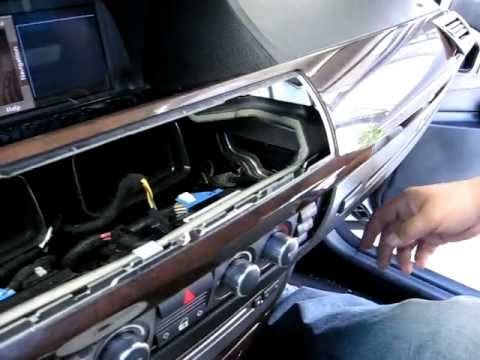
Physical damage is a common culprit, especially in models where the button is integrated into the headliner or the center console. Inspect the area around the emergency call button for any signs of physical obstruction or damage. Sometimes, debris or a torn cover can prevent the button from making the necessary contact with the sensor. If the button feels loose or fails to provide tactile feedback, it may require replacement to ensure proper activation in a high-stress scenario.


Electrical and Network Verification
If the physical components are intact, the next step involves verifying the electrical integrity and network signals. The emergency call system relies on a dedicated antenna and a stable connection to the satellite network. A faulty antenna wire can cut off communication entirely. Using a multimeter, you can test the power supply to the module to ensure it is receiving the correct voltage. Simultaneously, checking the Controller Area Network (CAN bus) data lines with a diagnostic tool can reveal if the module is communicating with the central computer.
Software and Reprogramming Solutions
Modern BMWs rely heavily on software, and a glitch in the telematics firmware can render the emergency call feature inert. Manufacturers frequently release software updates that patch bugs and improve system stability. Connecting the vehicle to a professional diagnostic scanner allows you to check for active fault codes related to the telematic control unit (TCU). If an error is present, updating the software to the latest version provided by BMW can often resolve the malfunction without invasive hardware work.


Professional Intervention and Module Replacement
When software updates and basic repairs fail to restore the system, the issue likely resides within the TCU itself or the head unit. The TCU is a specialized module that handles all satellite communication, and its failure necessitates replacement or professional recalibration. It is crucial to source an exact OEM or verified aftermarket part to ensure compatibility. Improper installation can lead to further electrical issues, so this step is often best left to certified BMW technicians who have the tools to code the new module to your specific vehicle identification number (VIN).
Ensuring Future Reliability
Once the system is restored, validating its operation is just as important as the repair itself. Test the emergency call function in a controlled environment to ensure the button triggers the alert and the GPS coordinates are transmitted accurately. Regular maintenance checks on the vehicle's high-voltage battery status are also essential, as fluctuations in auxiliary power can affect sensitive communication modules. By addressing the root cause thoroughly, you ensure that this vital safety feature remains operational when it is needed most.




Related Articles

Fix BMW Emergency Call System Fast: Quick Troubleshooting Guide
Discovering your BMW's emergency call system has failed during a critical moment can be a stressful experience. This system, often integrated with services...

Fix BMW 3 Series Emergency Call System Malfunction Fast: Clear & Reset Guide
Experiencing a malfunctioning emergency call system in your BMW 3 Series can be unsettling, especially when you rely on this critical safety feature for peace...
Clear Emergency Call System Malfunction in BMW: Quick Fix Guide
Experiencing a clear emergency call system malfunction bmw scenario can be a stressful event for any driver. Modern BMWs are equipped with advanced safety and...
BMW G20 Emergency Call System Malfunction: Fix & Troubleshooting Guide
The BMW G20 emergency call system, often marketed under the name eCall, is designed to provide a critical safety net by automatically contacting emergency...
Fix BMW Emergency Call System Malfunction: Quick Solutions
Seeing an emergency call system malfunction bmw alert on your dashboard can be unsettling, but it is a common electrical gremlin rather than an immediate...

2018 BMW 320i xDrive Emergency Call Disable: Step-by-Step Guide
Owners of the 2018 BMW 320i xDrive often rely on the advanced safety systems, particularly the emergency call feature, to provide peace of mind while on the...